
The primary driver behind most expansion plans is the goal of increasing sales — with the hope that profits will follow. But before adding production lines, investing in cold storage or launching new products, you need to understand the profit implications. In some cases, an expansion plan boosts sales volume but not profits. You wind up investing more capital, managing more complexity across borders and working longer hours for minimal… Read More
Feeding Your Bottom Line with Smarter Cash Flow Strategies

Paying your company’s bills is just as critical as collecting your own receivables. Between fluctuating ingredient costs, perishable inventory, international shipping delays and payments spread across co-packers and freight forwarders, your cash can be tied up for months before your food products even reach customers. The good thing is, you have a surprising amount of control over how and when your company’s debts are paid. Start from the inside out… Read More
Strategic Technology Spending: What’s Cooking in the Food Industry?

Seventy-eight percent of consumer packaged goods companies and suppliers rank productivity as their top priority. And with the right technology in place, you can boost productivity, transform operational efficiency and improve bottom-line results — especially in the food industry. In a business where rising labor costs, tough safety regulations and supply chain complexities all impact daily operations, strategic investments in tech can deliver near-immediate returns while positioning your business for… Read More
Exit Planning and Succession Strategies for Family-owned Food Businesses

Years of dedication have gone into shaping your business into a legacy. But what’s next for your food or beverage company when it’s time to step down? Proper succession planning can mean the difference between a successful transfer and a business that fizzles after decades of hard work. Whether your goal is transferring to the next generation, selling to employees or finding an external buyer, doing your due diligence early… Read More
Equipment Investment Strategies for Growing Food Businesses

Strategic capital equipment decisions can make the difference between thriving operations and struggling margins. Whether you’re running a food manufacturing facility or distribution center, understanding how to evaluate and optimize equipment investments to meet both operational and financial needs is critical for your business’s long-term success. Leasing vs. buying For many food companies, leasing offers immediate advantages. From lower upfront costs to predictable monthly expenses, it’s an attractive option —… Read More
The U.S. Tax Credits Food Manufacturers May be Missing
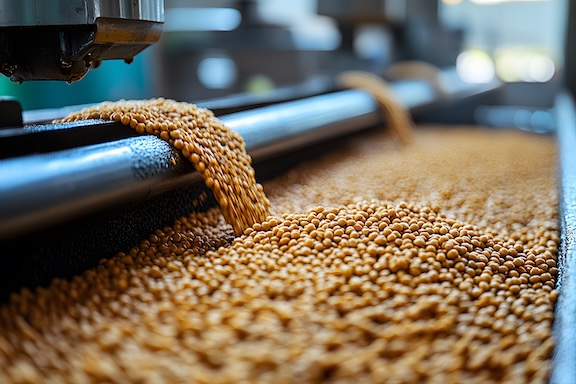
The food industry operates in a complex regulatory environment posing unique operational challenges. But it also offers opportunities for tax credit optimization that might not be on your radar — especially if you’re a foreign company new to conducting business in the U.S. While food manufacturing and distribution companies are focused on maintaining quality, meeting compliance requirements and managing tight margins, substantial industry-specific tax credits may be going unclaimed, including:… Read More